
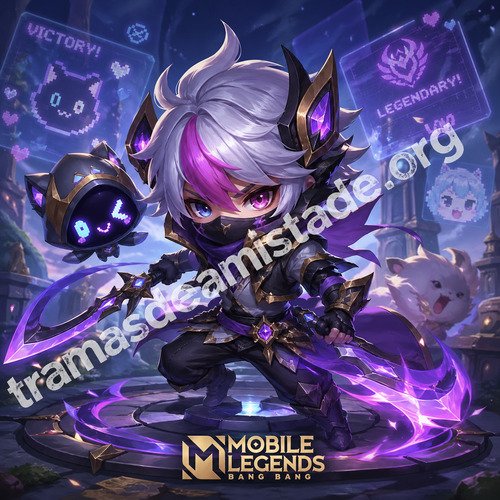
tramasdeamistade.org – Mobile Legends has become one of the most influential multiplayer mobile games because it offers an experience that combines fast action with strategic depth. Every match places players into situations where quick reactions, intelligent decision-making, and teamwork must work together in order to achieve victory. While many beginners initially focus only on kills and flashy mechanics, experienced players understand that success depends far more on communication, positioning, objective control, and efficient teamwork.
One of the reasons why Mobile Legends continues attracting millions of active players is the unpredictable nature of every game. Teams that dominate the early stages can suddenly lose control after one failed engagement or poorly coordinated objective contest. At the same time, teams that remain patient and disciplined often discover opportunities to recover even after difficult starts. This constant possibility of comeback keeps every match exciting from beginning to end and creates an environment where concentration remains important until the final moments.
The competitive environment also changes continuously because of hero balance adjustments, new item updates, and evolving strategies within the community. Players who adapt quickly to these developments usually maintain stronger performances than those who rely only on old habits. Because of this, Mobile Legends rewards flexibility, awareness, and long-term improvement.
Understanding How Match Tempo Influences Gameplay
Every match in Mobile Legends develops differently depending on how teams control tempo and momentum. Players who understand the rhythm of the game usually make smarter decisions during critical situations.
The early game establishes the foundation for the entire match. Teams that manage resources efficiently during the first few minutes often gain strong advantages that continue into later stages.
Farming becomes one of the highest priorities during the opening phase. Securing minion waves consistently allows players to purchase important items more quickly and strengthen overall combat effectiveness. Missing farming opportunities delays progression and weakens team pressure.
Junglers have enormous influence during the early game because they control neutral resources and support side lanes through rotations. Efficient jungle routes allow them to secure gold while remaining available for ganks and objective contests.
Mid-lane heroes also become highly important because they can rotate rapidly toward other lanes. Quick support rotations often create opportunities to secure kills or defend teammates from enemy pressure.
The early game rewards teams that communicate efficiently and avoid unnecessary mistakes.
Mid Game Rotations and Pressure Control
As the game transitions into the mid phase, rotations and map control become increasingly important.
Teams begin grouping more frequently to contest major objectives such as Turtle and outer turrets. Successful rotations allow teams to create temporary numerical advantages that improve their chances during skirmishes.
Roamers become especially influential during this stage because they provide vision and initiate engagements. Skilled roamers constantly monitor enemy movement while protecting teammates from possible ambushes.
Pressure control becomes another major factor during the mid game. Teams that consistently push lanes force opponents into defensive positions, reducing their freedom to rotate safely across the map.
The mid game also punishes careless aggression. Teams that overextend or chase unnecessary kills often lose important advantages that were previously earned.
Maintaining discipline during rotations usually creates stronger long-term momentum.
Late Game Tension and Decisive Teamfights
The late game is where every decision carries major consequences because respawn timers become much longer and damage output increases dramatically.
Marksmen and mages become extremely dangerous during this stage because their completed item builds allow them to eliminate enemies quickly. Protecting these heroes during engagements becomes one of the highest priorities for the team.
The Lord becomes the most important objective during the late game because of its ability to pressure lanes aggressively. Teams that secure the Lord often gain opportunities to break enemy defenses and finish the match.
Vision control also becomes critical. Teams that dominate bushes and monitor enemy movement usually gain safer opportunities to initiate favorable fights.
Late-game matches often depend more on patience and positioning than reckless aggression. One mistake can completely reverse the outcome of the game.
This constant tension is one of the reasons why Mobile Legends remains highly competitive and exciting.
Understanding Hero Roles and Team Responsibilities
Every role in Mobile Legends contributes differently to the overall strategy of the team. Balanced compositions usually perform more consistently because each role fulfills specific functions.
Tank heroes serve as the frontline during battles. Their durability allows them to absorb damage while protecting fragile teammates from enemy attacks.
Tanks also possess crowd-control abilities that help initiate fights and disrupt enemy positioning. Skilled tank players understand how to create space without placing teammates in dangerous situations.
Fighters combine offensive pressure with decent survivability. They are commonly assigned to the EXP lane because they perform effectively during isolated duels while scaling steadily throughout the match.
Experienced fighters know when to pressure lanes aggressively and when to rotate toward objectives.
Frontline stability allows damage dealers to perform safely during extended engagements.
Offensive Roles and Damage Pressure
Marksmen become increasingly powerful during the late game because of their sustained damage output. Once equipped with enough items, they can rapidly eliminate enemies and destroy structures.
However, marksmen are vulnerable during the early stages, making safe positioning and efficient farming extremely important.
Mage heroes contribute magical burst damage and crowd-control effects that heavily influence teamfights. Many mages excel at damaging multiple enemies simultaneously, making them highly valuable during large-scale engagements.
Assassins focus on mobility and burst damage. Their primary responsibility is eliminating vulnerable enemy heroes such as marksmen and mages before escaping safely.
Damage dealers often determine whether teams can secure objectives effectively during important moments.
Utility Roles and Team Support
Support heroes strengthen teammates through healing, shielding, mobility boosts, or additional crowd control.
Although support players may not always receive the most attention, their contribution often determines whether teammates survive dangerous situations.
Supports also improve overall coordination by helping control vision and protecting vulnerable allies from enemy aggression.
Teams with strong support coordination usually perform better during prolonged engagements and objective contests.
Utility-focused gameplay often becomes the difference between victory and defeat in closely contested matches.
Mechanical skill alone is not enough for long-term improvement. Players must also develop strong habits related to awareness, communication, and emotional control.
Building Better Map Awareness
Map awareness separates experienced players from beginners because it directly influences survival and strategic decision-making.
Players who constantly monitor the minimap can track enemy movement, predict ambushes, and avoid dangerous situations before they become fatal.
Bush control becomes especially important during mid and late-game rotations. Teams that dominate vision usually gain safer opportunities to initiate favorable engagements.
Tracking enemy abilities also provides important advantages. Recognizing when major ultimate skills are unavailable allows teams to pressure objectives more aggressively.
Strong awareness improves both individual survival and overall team coordination.
Learning Through Practice and Observation
Improvement requires active learning rather than simply playing large numbers of matches.
Watching professional tournaments provides valuable insight into advanced rotations, drafting strategies, and objective management. Professional teams demonstrate highly efficient gameplay patterns that ordinary players can study and apply.
Reviewing personal gameplay also helps identify recurring weaknesses such as poor positioning or inefficient farming habits.
Practicing multiple heroes improves adaptability and increases understanding of different roles.
Long-term improvement happens gradually through repetition, analysis, and experience.
Maintaining Mental Discipline During Ranked Matches
Ranked games often create emotional tension because players become deeply invested in winning.
Players who lose emotional control usually make reckless decisions that worsen already difficult situations. Remaining calm allows players to focus on recovery opportunities instead of dwelling on previous mistakes.
Balanced confidence is equally important. Overconfidence encourages unnecessary risks, while excessive hesitation prevents players from taking advantage of opportunities.
Positive communication also improves team morale during difficult situations. Teams that encourage one another usually perform more consistently than teams overwhelmed by frustration.
Mental discipline helps maintain stable performance even during stressful matches.
Mobile Legends remains highly popular because it combines accessibility with meaningful strategic depth.
Drafting and Team Composition
Hero selection strongly influences how matches develop because different compositions excel under different conditions.
Balanced teams generally include durability, crowd control, sustained damage, and mobility. Teams lacking one of these elements often struggle during certain stages of the game.
Counter-picking allows players to reduce the effectiveness of enemy heroes through strategic hero selection.
Experienced players understand that drafting is not only about personal preference but also about creating favorable matchups for the entire team.
Strategic drafting creates stronger foundations before the match even begins.
Objective Control and Tactical Patience
Many inexperienced players focus too heavily on kills even though objectives determine victory far more consistently.
Turrets provide territorial control and reduce safe farming zones for opponents. Turtle objectives provide valuable economic advantages during the early game, while the Lord becomes critical during the late game.
Teams that prioritize objectives usually maintain stronger momentum than teams focused entirely on chasing kills.
Objective control also requires patience because reckless fights near objectives can completely shift momentum toward the enemy team.
Disciplined teams understand when to engage aggressively and when to disengage safely.
The Evolution of Competitive Strategies
The competitive environment evolves continuously because of hero adjustments and item balance changes.
Players who adapt quickly to shifting strategies usually maintain stronger performances over time. Some heroes become dominant after updates, while others lose effectiveness depending on the current meta.
The evolving competitive environment also encourages experimentation and creativity within the community.
This constant evolution keeps gameplay fresh and prevents the competitive scene from becoming repetitive.
Conclusion Mobile Legends: Understanding the Competitive World of Strategy, Teamwork, and Tactical Gameplay
Mobile Legends continues to stand out as one of the most exciting competitive mobile games because it successfully combines strategy, teamwork, fast-paced combat, and continuous learning into a highly engaging experience. Every match challenges players to improve their awareness, communication, mechanics, and adaptability.
Understanding match tempo, role responsibilities, objective control, positioning, and rotations forms the foundation of successful gameplay. Beyond mechanical skill, players must also develop emotional discipline and strategic thinking in order to perform consistently under pressure.
The constantly evolving competitive environment ensures that players always have new strategies to explore and fresh challenges to overcome. Hero updates, balance changes, and shifting tactical trends continuously reshape the battlefield and encourage players to keep learning.
Ultimately, success in Mobile Legends comes not only from quick reactions or flashy plays, but also from intelligent decision-making, patience, and strong teamwork. Players who dedicate themselves to mastering these deeper aspects of the game will continue improving and experience the competitive excitement that has made Mobile Legends one of the most successful mobile multiplayer games in the world.