
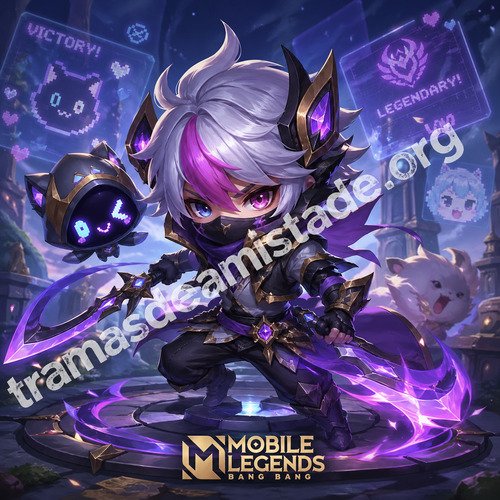
tramasdeamistade.org – Mobile Legends: Bang Bang has become one of the most competitive and exciting multiplayer games because of its diverse hero roster and ever-changing battlefield. Every hero brings unique abilities, strengths, and weaknesses that influence how matches unfold. While many players initially focus on mechanics and flashy combinations, experienced competitors understand that success depends on much more than individual skill.
The ability to control lanes, coordinate with teammates, and make intelligent decisions often determines the difference between victory and defeat. Heroes are not simply characters with powerful abilities; they are strategic tools that must be used properly throughout different phases of the game. Understanding how heroes function in various situations allows players to adapt, improve, and achieve more consistent results.
As players gain experience, they begin to realize that Mobile Legends rewards patience, awareness, and teamwork just as much as raw mechanical talent. Learning how heroes interact with each other and understanding the flow of the match are essential steps toward mastering the game.
Mastering Lane Control and Early Game Fundamentals
The opening minutes of a Mobile Legends match establish the foundation for everything that follows. Heroes perform differently during the laning phase, and understanding how to manage this stage effectively can create significant advantages for the entire team.
Minion waves are one of the most important sources of gold and experience. Players who understand how to manage waves properly often gain advantages even without securing kills. Efficient farming allows heroes to acquire items faster and reach their power spikes ahead of opponents.
Maintaining wave equilibrium requires discipline. Pushing too aggressively may expose a player to enemy ganks, while excessive passivity can result in lost opportunities. Skilled players know when to clear waves quickly and when to freeze them to deny resources to opponents.
Farming efficiency also extends to jungle resources and rotations. Heroes that maximize every opportunity to earn gold usually perform much better during the mid and late stages of the game. Consistency in resource acquisition often matters more than risky attempts to secure kills.
Players who prioritize farm and avoid unnecessary deaths generally create a stronger foundation for their team.
Trading Damage and Maintaining Lane Pressure
Winning a lane does not always require eliminating the enemy. Sometimes, applying consistent pressure and forcing opponents to retreat can generate enough advantages to control the tempo of the match.
Understanding damage trades is essential. Players must recognize when their hero is stronger and when they should avoid prolonged engagements. Knowledge of cooldowns, positioning, and enemy abilities allows players to engage more effectively and minimize unnecessary risks.
Maintaining lane pressure also influences enemy rotations. Opponents who are forced to defend their lane have fewer opportunities to assist teammates elsewhere. This creates additional space for objectives and map control.
Effective pressure requires patience and awareness rather than reckless aggression. Players who understand this principle often outperform those who rely solely on mechanical skill.
Vision and Preventing Enemy Ambushes
Map awareness begins during the laning phase. Many early-game mistakes occur because players become too focused on farming and ignore the information provided by the minimap.
Watching enemy movements and predicting rotations help prevent unexpected ambushes. Heroes that overextend without vision frequently become vulnerable to ganks, resulting in lost momentum and unnecessary disadvantages.
Establishing vision around important areas and respecting missing enemies are habits that greatly improve consistency. Experienced players constantly gather information and adjust their positioning accordingly.
Good awareness transforms dangerous situations into manageable ones and allows players to make smarter decisions throughout the game.
Teamfight Execution and Mid-Game Coordination
As the match progresses, individual lanes become less important and teamwork takes center stage. Mid-game engagements and objective fights often determine which team gains control over the battlefield.
Every hero has specific responsibilities during team engagements. Tanks and fighters usually occupy the frontline, creating opportunities and protecting their allies. Damage dealers focus on eliminating threats, while supports provide healing, crowd control, and utility.
Successful team fights depend on coordination and timing. A tank that engages too early or a marksman that positions poorly can compromise the entire team. Understanding role responsibilities allows players to contribute more effectively and reduce unnecessary mistakes.
Team fights are rarely won by individual heroes acting alone. Instead, they are the result of multiple players performing their roles efficiently and supporting one another.
This collective approach is what transforms groups of players into cohesive teams.
Objective Control and Strategic Priorities
Many inexperienced players become overly focused on kills and forget the true purpose of the game. Objectives such as Turtle, Lord, and towers provide long-term advantages that are often more valuable than temporary kill leads.
Heroes should prioritize converting successful engagements into objective control. Destroying structures and securing resources create lasting pressure that gradually restricts enemy movement and opportunities.
Teams that focus on objectives develop stronger macro play and maintain momentum more effectively. Even when kill counts are close, superior objective control often leads to victory.
Understanding when to fight and when to secure objectives is one of the most important skills in Mobile Legends.
Rotations and Maintaining Map Pressure
Efficient rotations allow teams to create numerical advantages and respond quickly to changing situations. Heroes with mobility and crowd control are especially effective during this phase because they can influence multiple areas of the map.
Maintaining pressure across the map forces opponents to react and limits their options. Constant pressure creates opportunities for ambushes, objective control, and favorable engagements.
However, effective rotations require coordination and timing. Players who move without purpose often waste valuable time and resources. Understanding wave management and ally positioning helps maximize rotational efficiency.
Teams that rotate intelligently generally maintain better control over the pace of the match.
Mastering Mobile Legends is a continuous process. Beyond understanding heroes and roles, players must develop advanced skills that improve their consistency over time.
Positioning and Spatial Awareness
Positioning is one of the most underrated aspects of the game. Heroes that maintain proper spacing are able to contribute consistently while minimizing exposure to enemy threats.
Damage dealers must remain protected, while frontline heroes create space and absorb pressure. Supports operate carefully between these roles, ensuring that allies receive the assistance they need.
Spatial awareness also involves understanding terrain and using it effectively. Bushes, walls, and narrow pathways can influence engagements and create opportunities for advantageous positioning.
Players who master positioning often perform better even when facing mechanically superior opponents.
Adaptability and Situational Thinking
No two matches are identical. Enemy compositions, player behavior, and unexpected circumstances constantly force players to adjust their strategies.
Adaptability involves changing item builds, modifying priorities, and recognizing when certain approaches are no longer effective. Flexible players are better equipped to handle difficult situations and exploit enemy weaknesses.
Situational thinking also includes understanding power spikes and recognizing when a hero is strongest. Timing engagements around these moments significantly increases the likelihood of success.
Players who embrace adaptability are able to remain effective regardless of the challenges they encounter.
Communication and Building Team Chemistry
Although individual skill is important, Mobile Legends ultimately rewards teamwork. Communication allows players to coordinate objectives, warn teammates of danger, and execute strategies more effectively.
Simple pings and map awareness often provide enough information to improve coordination. Teams that communicate consistently are better prepared to handle pressure and respond to enemy movements.
Trust and cooperation are equally important. Supporting teammates and focusing on collective success create stronger synergies and more reliable performances.
Even in solo queue environments, players who prioritize teamwork frequently achieve better results than those who focus exclusively on personal accomplishments.
Conclusion Mobile Legends Heroes Complete Guide: Lane Control, Teamfight Execution, and the Path to Long-Term Improvement
Heroes in Mobile Legends are much more than collections of abilities and statistics. They are strategic assets that influence every aspect of the game, from lane control and objective management to teamfight execution and map pressure.
Understanding how heroes function during different phases of a match allows players to make smarter decisions and adapt to changing situations. Whether controlling waves during the early game, coordinating team fights in the mid game, or maintaining discipline during the late game, every decision contributes to the final outcome.
True mastery is not achieved through mechanics alone. It comes from awareness, adaptability, communication, and a commitment to continuous improvement. Players who develop these qualities will discover that Mobile Legends offers a remarkable level of depth and strategy, making every match an opportunity to learn, grow, and become a better competitor.